
Education For All, Progress for All!
- khademsaeedi
- Jun 15, 2024
- 5 min read
Updated: Jun 28, 2024
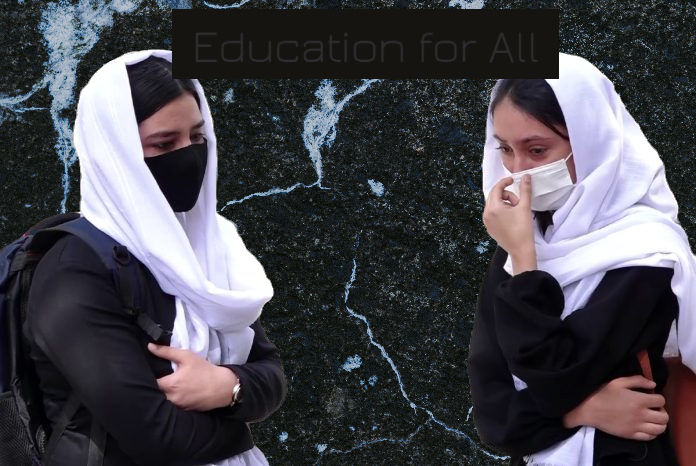
Education for All Afghans: A Pathway to Prosperity and Peace
Education is a fundamental human right and a cornerstone for sustainable development, peace, and stability. For Afghanistan, a country that has endured decades of conflict and instability, ensuring access to quality education for all its citizens is not merely a necessity but a pivotal step towards rebuilding and revitalizing the nation. Comprehensive education for all Afghans—regardless of gender, ethnicity, or socioeconomic status—holds the potential to transform the country’s future, fostering economic growth, social cohesion, and long-term peace.
The Current Landscape
Afghanistan’s education system has faced numerous challenges over the years, exacerbated by ongoing conflict, political instability, and cultural barriers. According to UNESCO, the adult literacy rate in Afghanistan is approximately 37%, one of the lowest in the world. For women, the situation is even more dire, with a literacy rate of just 17%. The gender disparity in education is stark, with many girls being denied the opportunity to attend school because of cultural norms, security concerns, and economic constraints.
Despite these challenges, there have been significant strides in improving educational access. Since 2001, school enrolment has increased dramatically. According to UNICEF, the number of children in primary school rose from 1 million in 2001 to nearly 10 million by 2018, with around 40% of these students being girls. However, the quality of education and the infrastructure of schools remain inadequate, with many schools lacking basic facilities and trained teachers.
Importance of Education for All
1. Economic Development: Education is a powerful driver of economic development. It equips individuals with the skills and knowledge necessary to participate in the workforce, thereby boosting productivity and innovation. For Afghanistan, investing in education can help diversify the economy, which is heavily reliant on agriculture and aid. Educated individuals are more likely to engage in entrepreneurial activities, create jobs, and contribute to the formal economy. Moreover, education fosters human capital development, which is crucial for attracting foreign investment and fostering sustainable economic growth.
2. Social Cohesion and Equality: Education plays a vital role in promoting social cohesion and reducing inequalities. By providing equal access to education, Afghanistan can bridge the gap between different ethnic and social groups, fostering a sense of unity and national identity. Education empowers marginalised communities, including women and ethnic minorities, by giving them a voice and the tools to participate fully in society. It also helps in breaking the cycle of poverty, as educated individuals are more likely to secure better-paying jobs and improve their living standards.
3. Health and Well-being: There is a strong correlation between education and health outcomes. Educated individuals are more likely to make informed health choices, seek medical care, and adopt healthier lifestyles. For women, education is particularly beneficial, as it leads to better maternal and child health outcomes. Educated mothers are more likely to ensure that their children receive vaccinations, proper nutrition, and necessary medical care, thereby reducing infant and child mortality rates.
4. Peace and stability: Education is a critical component of peace building and conflict prevention. It promotes tolerance, critical thinking, and the ability to resolve conflicts through dialogue rather than violence. By addressing the root causes of conflict, such as poverty, discrimination, and lack of opportunities, education can help create a more stable and peaceful society. In Afghanistan, where conflict has been a major disruptor, education can play a transformative role in fostering a culture of peace and non-violence.
Conclusion
Education for all Afghans is not just a goal but a necessity for the country's progress and stability. By ensuring equal access to quality education, Afghanistan can build a more prosperous, cohesive, and peaceful society. The journey towards this goal requires concerted efforts from the government, civil society, and the international community. Only through collective action and unwavering commitment can Afghanistan overcome its educational challenges and pave the way for a brighter future for all its citizens.
آموزش برای همه افغانها: راهی به سوی شکوفایی و صلح
آموزش یک حق اساسی بشر و ستون اصلی توسعه پایدار، صلح و ثبات است. برای افغانستان، کشوری که دههها جنگ و بیثباتی را تجربه کرده است، اطمینان از دسترسی به آموزش با کیفیت برای همه شهروندان آن نه تنها یک ضرورت بلکه گامی حیاتی در بازسازی و احیای کشور است. آموزش جامع برای همه افغانها—بدون در نظر گرفتن جنسیت، قومیت یا وضعیت اقتصادی—توانایی تبدیل آینده کشور را دارد و رشد اقتصادی، همبستگی اجتماعی و صلح پایدار را تقویت میکند.
چشمانداز کنونی
سیستم آموزشی افغانستان طی سالهای گذشته با چالشهای زیادی مواجه بوده است که توسط جنگهای مداوم، بیثباتی سیاسی و موانع فرهنگی تشدید شدهاند. بر اساس گزارش یونسکو، نرخ سواد بزرگسالان در افغانستان حدود ۳۷٪ است که یکی از پایینترینها در جهان است. برای زنان، وضعیت حتی وخیمتر است و نرخ سواد فقط ۱۷٪ میباشد. نابرابری جنسیتی در آموزش بسیار آشکار است و بسیاری از دختران به دلیل هنجارهای فرهنگی، نگرانیهای امنیتی و محدودیتهای اقتصادی از تحصیل محروم میشوند.
با این وجود، پیشرفتهای قابل توجهی در بهبود دسترسی به آموزش حاصل شده است. پس از سال ۲۰۰۱، تعداد ثبتنامکنندگان در مکاتب به طرز چشمگیری افزایش یافته است. بر اساس گزارش یونیسف، تعداد کودکان در مدارس ابتدایی از ۱ میلیون در سال ۲۰۰۱ به تقریباً ۱۰ میلیون در سال ۲۰۱۸ افزایش یافته است که حدود ۴۰٪ از این دانشآموزان دختر هستند. با این حال، کیفیت آموزش و زیرساختهای مدارس همچنان ناکافی است و بسیاری از مدارس فاقد امکانات اساسی و معلمان آموزشدیده هستند.
اهمیت آموزش برای همه
توسعه اقتصادی: آموزش یک محرک قوی برای توسعه اقتصادی است. این افراد را با مهارتها و دانش لازم برای مشارکت در نیروی کار تجهیز میکند و به تبع آن بهرهوری و نوآوری را افزایش میدهد. برای افغانستان، سرمایهگذاری در آموزش میتواند به تنوعبخشی اقتصاد که به شدت به کشاورزی و کمکهای خارجی وابسته است، کمک کند. افراد تحصیلکرده بیشتر احتمال دارد که در فعالیتهای کارآفرینی شرکت کنند، شغل ایجاد کنند و به اقتصاد رسمی کمک کنند. علاوه بر این، آموزش توسعه سرمایه انسانی را تقویت میکند که برای جذب سرمایهگذاری خارجی و رشد اقتصادی پایدار بسیار مهم است.
همبستگی اجتماعی و برابری: آموزش نقش حیاتی در ارتقاء همبستگی اجتماعی و کاهش نابرابریها دارد. با فراهم کردن دسترسی برابر به آموزش، افغانستان میتواند فاصله بین گروههای قومی و اجتماعی مختلف را پر کند و حس اتحاد و هویت ملی را تقویت کند. آموزش به جوامع محروم، از جمله زنان و اقلیتهای قومی، توانایی میبخشد و به آنها ابزار لازم برای مشارکت کامل در جامعه را میدهد. همچنین به شکستن چرخه فقر کمک میکند، زیرا افراد تحصیلکرده بیشتر احتمال دارد که شغلهای با دستمزد بهتر پیدا کنند و استانداردهای زندگی خود را بهبود بخشند.
سلامت و رفاه: ارتباط قوی بین آموزش و نتایج بهداشتی وجود دارد. افراد تحصیلکرده بیشتر احتمال دارد که انتخابهای بهداشتی آگاهانهتری انجام دهند، به دنبال مراقبتهای پزشکی بروند و سبک زندگی سالمتری اتخاذ کنند. برای زنان، آموزش به ویژه مفید است زیرا به نتایج بهتر سلامت مادران و کودکان منجر میشود. مادران تحصیلکرده بیشتر احتمال دارد که اطمینان حاصل کنند که فرزندانشان واکسن بزنند، تغذیه مناسب دریافت کنند و مراقبتهای پزشکی لازم را بگیرند، و در نتیجه نرخ مرگ و میر نوزادان و کودکان کاهش مییابد.
صلح و ثبات: آموزش یک جزء حیاتی در ایجاد صلح و پیشگیری از درگیری است. این توانایی تفکر انتقادی، حل اختلافات از طریق گفتوگو به جای خشونت و ترویج تحمل را تقویت میکند. با پرداختن به ریشههای درگیری، مانند فقر، تبعیض و کمبود فرصتها، آموزش میتواند به ایجاد جامعهای باثباتتر و صلحآمیزتر کمک کند. در افغانستان، جایی که درگیریها یکی از بزرگترین موانع بودهاند، آموزش میتواند نقش تحولی در تقویت فرهنگ صلح و عدم خشونت ایفا کند.
نتیجهگیری
آموزش برای همه افغانها نه تنها یک هدف بلکه یک ضرورت برای پیشرفت و ثبات کشور است. با اطمینان از دسترسی برابر به آموزش با کیفیت، افغانستان میتواند جامعهای شکوفا، همبسته و صلحآمیز بسازد. مسیر رسیدن به این هدف نیازمند تلاشهای هماهنگ از سوی دولت، جامعه مدنی و جامعه بینالمللی است. تنها از طریق اقدام جمعی و تعهد بیوقفه، افغانستان میتواند بر چالشهای آموزشی خود غلبه کرده و راهی روشنتر برای آینده تمامی شهروندان خود فراهم کند.


Comments